
Heavy rain doesn’t just flood streets—it silently destroys septic systems. According to the U.S. Environmental Protection Agency (EPA), excess groundwater is one of the leading causes of septic system failure in the United States, especially in areas with clay-heavy soil like North Carolina. When rainfall overwhelms the soil, wastewater has nowhere to go. That’s when homeowners start searching for top rated septic pumping in Jamestown after backups, odors, or soggy yards appear. Understanding why this happens can save you thousands in repairs.
How Does Heavy Rain Cause Septic System Failure?
Heavy rain causes septic system failure by over-saturating the soil, flooding drain fields, and overwhelming septic tanks with excess water. When the ground cannot absorb wastewater properly, sewage backs up into homes or surfaces in the yard, creating health risks and system damage.
Why Septic Systems Are Vulnerable During Heavy Rain
Septic systems rely on a simple but delicate balance: soil absorption. When rain disrupts that balance, the entire system struggles.
Common Septic Challenges Homeowners Face in Jamestown
Poor soil drainage after storms
Standing water near the drain field
Slow drains and toilet backups
Sewage odors indoors or outside
Increased need for emergency septic pumping
These issues are especially common in Jamestown and Guilford County, where seasonal storms and dense soil make drainage difficult.
How Professional Septic Services Prevent Rain-Related Failures
Routine maintenance, inspections, and timely septic pumping reduce system strain before storms hit. A well-maintained tank has more capacity to handle sudden water surges, protecting your drain field and home.
How Heavy Rain Damages Each Part of Your Septic System
What Happens to the Septic Tank During Heavy Rain?
Think of your septic tank like a measuring cup. It’s designed to hold a specific amount of liquid. Heavy rain fills that cup faster than it can empty.
Key Problems Inside the Tank
Rainwater seeps through loose lids or cracks
Solids don’t settle properly
Sludge gets pushed into the drain field
Once solids escape the tank, they clog the system permanently. At that point, pumping alone may not fix the damage.
Why Does the Drain Field Fail After Heavy Rain?
Your drain field works like a sponge. When it’s already soaked, it can’t absorb anything else.
Signs Your Drain Field Is Saturated
Mushy or flooded grass
Wastewater pooling on the surface
Strong sewage smells
In Jamestown neighborhoods with low-lying yards, this is one of the most common reasons homeowners call for septic pumping in Jamestown.
Can Heavy Rain Cause Sewage to Back Up Into Your Home?
Yes—and it happens more often than people realize.
Why Backups Occur
When wastewater can’t flow out, it reverses direction. Toilets, showers, and sinks become exit points.
Health Risk Alert: The CDC warns that sewage exposure can spread bacteria, viruses, and parasites that cause serious illness.
What to Do If Heavy Rain Affects Your Septic System
Step 1: Reduce Water Use Immediately
Every gallon you use adds pressure. Avoid:
Laundry
Long showers
Dishwashers
This buys your system time to recover.
Step 2: Inspect the Yard (Safely)
Look for:
Standing water
Sewage smells
Extra-green grass patches
Do not walk through flooded septic areas.
Step 3: Call for Septic Pumping in Jamestown
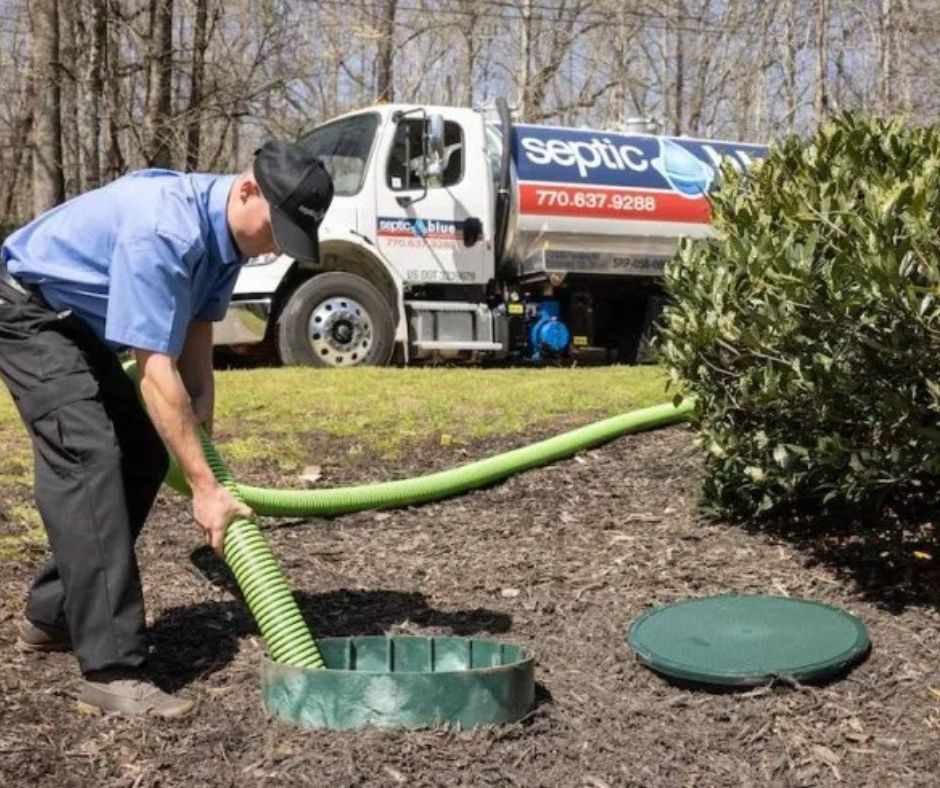
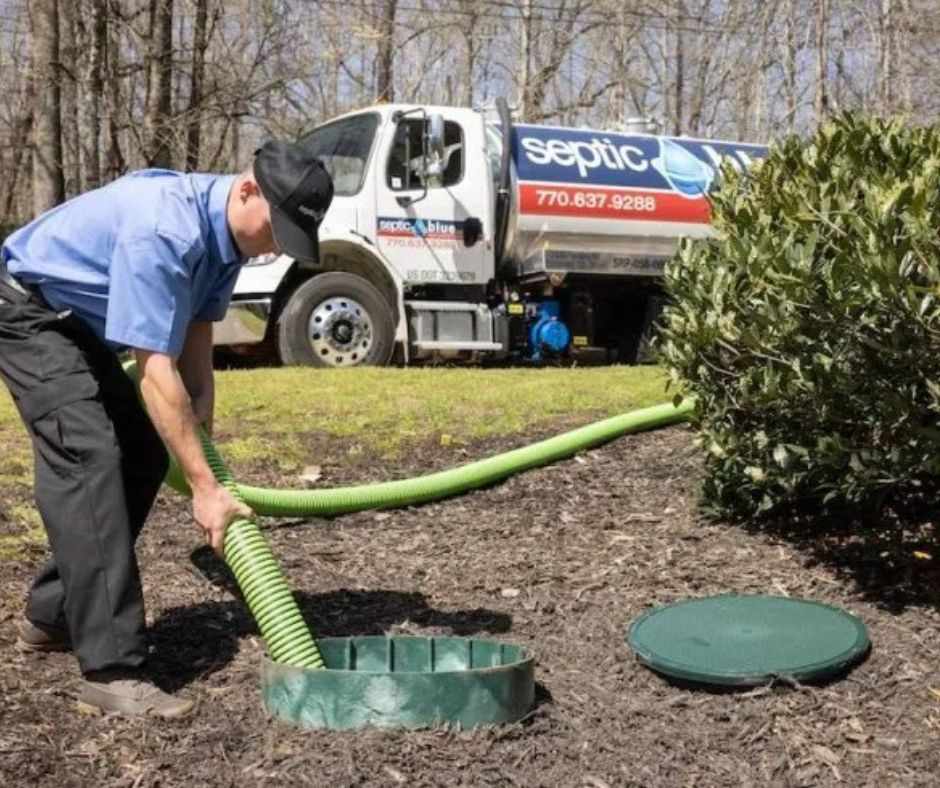
Pumping removes excess wastewater and solids, preventing further damage. It’s often the fastest way to stabilize a stressed system after storms.
How Regular Septic Pumping Protects Your System During Storm Season
Why Pumping Before Rain Matters
An empty tank = more storage capacity.
Benefits of Routine Pumping
Prevents solids overflow
Reduces drain field stress
Extends system lifespan
Lowers emergency repair costs
Most Jamestown homes should pump every 3–5 years, but high rainfall areas may need it more often.
Jamestown-Specific Factors That Increase Septic Failure Risk
Does Local Soil Type Matter?
Absolutely. Your Soil decide Your Septic System’s Success. Jamestown soil contains higher clay content, which drains slowly. When rain hits, water sits longer, increasing saturation risk.
Local Example
After heavy storms in Guilford County, septic service calls spike due to drain field flooding. Homes built decades ago are especially vulnerable.
Are Older Septic Systems More at Risk?
Yes. Older systems often:
Lack modern risers
Have smaller tanks
Use outdated drain field designs
These systems struggle the most during prolonged rainfall.
Preventing Septic Failure Before the Next Storm
Pro Tips from Septic Professionals
Install watertight risers and lids
Divert gutters away from the drain field
Avoid planting trees near septic areas
Schedule inspections before rainy seasons
These small steps dramatically reduce failure risk.
When Is Replacement the Only Option?
If heavy rain repeatedly causes failures, your drain field may be permanently damaged. A professional evaluation can determine whether repairs or replacement are necessary.
Why Local Septic Experts Matter
Choosing a provider familiar with Jamestown’s soil, weather patterns, and regulations makes a major difference. Local professionals know how rain impacts systems in your area and can recommend the right solutions—not guesswork.
How Septic Blue–Style Local Service Makes a Difference
A local septic company:
Responds faster after storms
Understands local drainage challenges
Offers preventive pumping schedules
Provides honest assessments
That’s why homeowners rely on Septic Blue of Burlington for trusted septic pumping year after year.
Conclusion: Heavy Rain Doesn’t Have to Mean Septic Failure
Heavy rain is unavoidable—but septic failure isn’t. Most rain-related septic problems stem from lack of maintenance, not bad luck. By understanding how rainfall affects your system and scheduling routine septic pumping in Jamestown, you protect your home, health, and wallet. Prevention always costs less than repair.
Key Takeaways
Heavy rain oversaturates soil and overwhelms septic systems
Drain field failure is the most common rain-related issue
Sewage backups pose serious health risks
Regular septic pumping increases storm resilience
Jamestown’s soil and weather make maintenance critical
Early action prevents costly replacements
FAQs:
Can heavy rain damage a septic system?
Yes. Heavy rain saturates the soil, blocking drainage and causing backups or system failure.What are signs of septic trouble after rain?
Slow drains, sewage odors, standing water, or soggy areas in the yard.Does septic pumping help after heavy rain?
Yes. Septic pumping in Burlington relieves tank pressure and helps prevent backups.How often should septic tanks be pumped in rainy areas?
Every 3–5 years, or more often in high-rain areas like Jamestown.What should I do if sewage backs up after a storm?
Stop water use and call a local septic professional immediately.
Write a comment ...