
Let’s face it—nobody wants their house smelling like a sewage plant. Yet, for some homeowners in Burlington, that awful sewage smell in the house can show up out of nowhere. Usually, it’s a warning that your septic system is stressed. Maybe it’s a slow leak. Maybe a vent is blocked. Or perhaps your tank is just way too full.
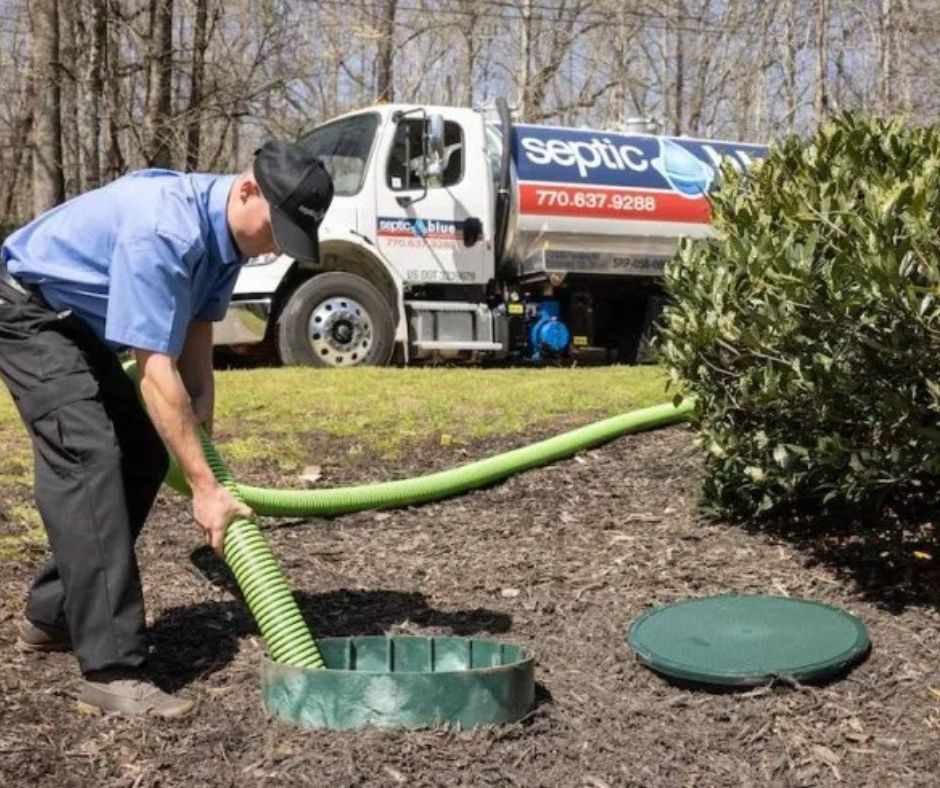
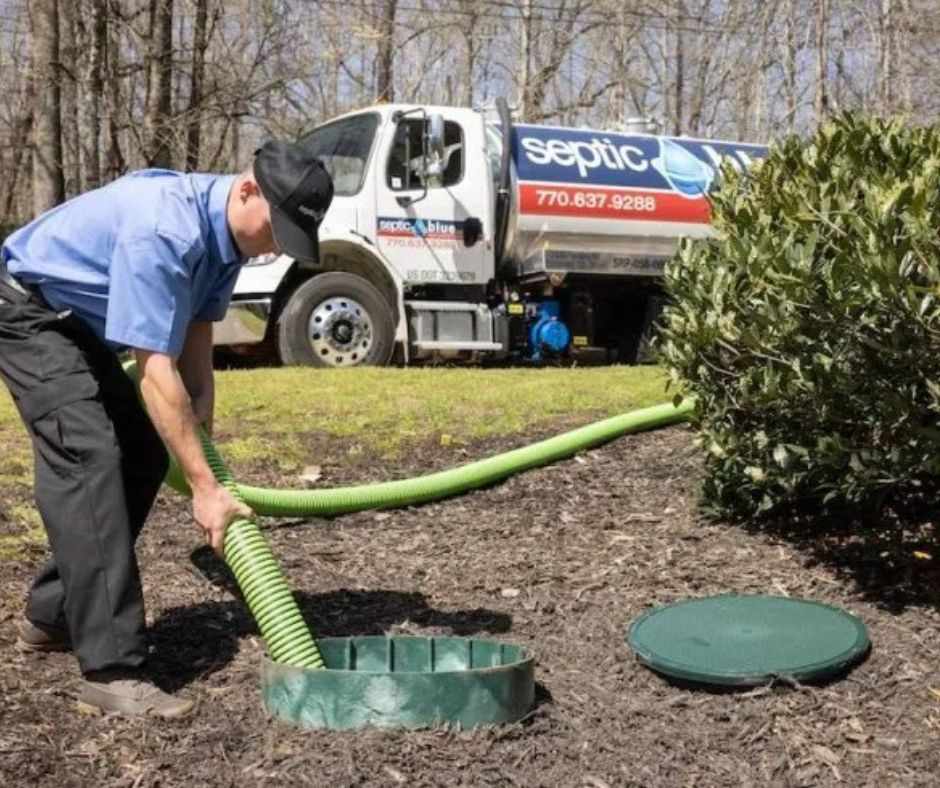
From my experience, the fastest and most reliable solution is professional septic pumping in Burlington. People often try sprays, home “tricks,” or chemicals. Honestly, most of the time, they don’t work. Pumping? Works almost every time. Sure, it costs a bit, but it’s far cheaper and less stressful than dealing with the smell or a full-blown emergency.
Why Your Septic System Smells
Odors don’t just appear. They usually have a cause. Here’s what I see most often:
1. Full or Overloaded Tank
If your tank is full, wastewater has nowhere to go. Gas finds its way out through vents—or worse, into your house. Pumping the tank almost always fixes this. People sometimes hope it will “settle on its own”—doesn’t happen.
2. Blocked Vents
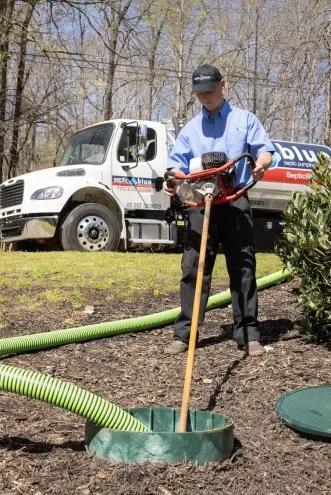
Septic systems need vents to release gases safely. Leaves, dirt, or birds can block them. People sometimes try sprays or deodorizing tablets. They don’t help much. Clearing the vent is the only fix that actually works.
3. Drain Field Trouble
If your drain field can’t absorb water properly, smells pop up in the yard or basement. Over watering the yard or driving over the area often makes it worse. Fixing this sometimes needs a pro. DIY attempts usually fail.
4. Flushing the Wrong Stuff
Grease, wipes, and harsh cleaners can mess up the bacteria in your tank. People think one wipe won’t matter. Trust me—it does.
5. Dry Plumbing Traps
Unused sinks or floor drains can dry out. That’s an easy fix—pour water in. Works almost every time.
Spotting the Source of the Smell
Finding the source of the odor is half the battle. Here’s how I usually check:
Inside the house: Rotten egg smell, strange bathroom odors, or funky drains.
Outside the house: Smell near the septic tank, drain field, or soggy patches in the yard.
Other signs: Slow drains, gurgling pipes, or even sewage surfacing in your yard.
In my experience, most odors start at the tank or vents, not mysterious plumbing problems inside the house. That’s why I always check the tank and vents first. It saves a ton of time and prevents unnecessary repairs.
What Works (and What Often Fails)
Here’s my honest take from years of working with septic systems:
Pump the tank: Works almost every time. Skip this, and nothing else really matters.
Clear blocked vents: Sprays, deodorizing tablets, and masks mostly fail. Cleaning vents is the real solution.
Drain field care: Avoid over-watering or driving heavy vehicles over it. Small habits prevent big smells.
Watch what you flush: Stick to toilet paper and organic waste. Chemicals and wipes are a setup for problems.
Keep traps filled: Pour water into unused sinks or floor drains. Cheap, simple, effective.
If you’re curious why these problems happen in the first place, check out our guide on common causes of septic tank odor. It goes into detail on all the little habits, system issues, and overlooked factors that often lead to odors.
Preventing Future Problems
The best solution is prevention. Here’s what actually works:
Pump your tank every 3–5 years, depending on household size.
Use bacteria-friendly cleaners to support natural waste breakdown.
Keep roof and yard water away from the drain field.
Don’t plant trees too close to your septic system. Roots love pipes.
Avoid driving over the drain field.
Honestly, these simple habits prevent most odor issues before they even start. People often ignore prevention, then complain when the smell hits—don’t be that homeowner.
Real-Life Example
A Burlington homeowner called me after a heavy rainstorm. Their house smelled like rotten eggs. They had tried sprays, DIY tricks, even some store-bought products for over a week—nothing worked. I pumped the tank and cleared the vents. By the next day, the smell was gone.
Lesson? Sprays and hope don’t work. Pumping and proper vent maintenance do.
From my experience, about 40% of septic odor issues happen because homeowners skip pumping or flush the wrong stuff. Waiting until it’s an emergency almost always costs way more.
Extra Tips That People Often Miss
Check your water usage: Overloading the system with laundry or dishwasher use all in one day can create odors. Spread out heavy water use.
Use septic-safe products: Even “green” cleaners can harm bacteria if overused. Stick to what’s labelled safe for septic systems.
Keep an eye on your yard: Wet spots or sudden patches of soggy grass are early warnings of drain field issues. Catching this early saves money.
Watch seasonal changes: Heavy rains, snow melt, and frozen ground can temporarily cause odors even in a healthy system. Don’t panic—check the vent and tank first.
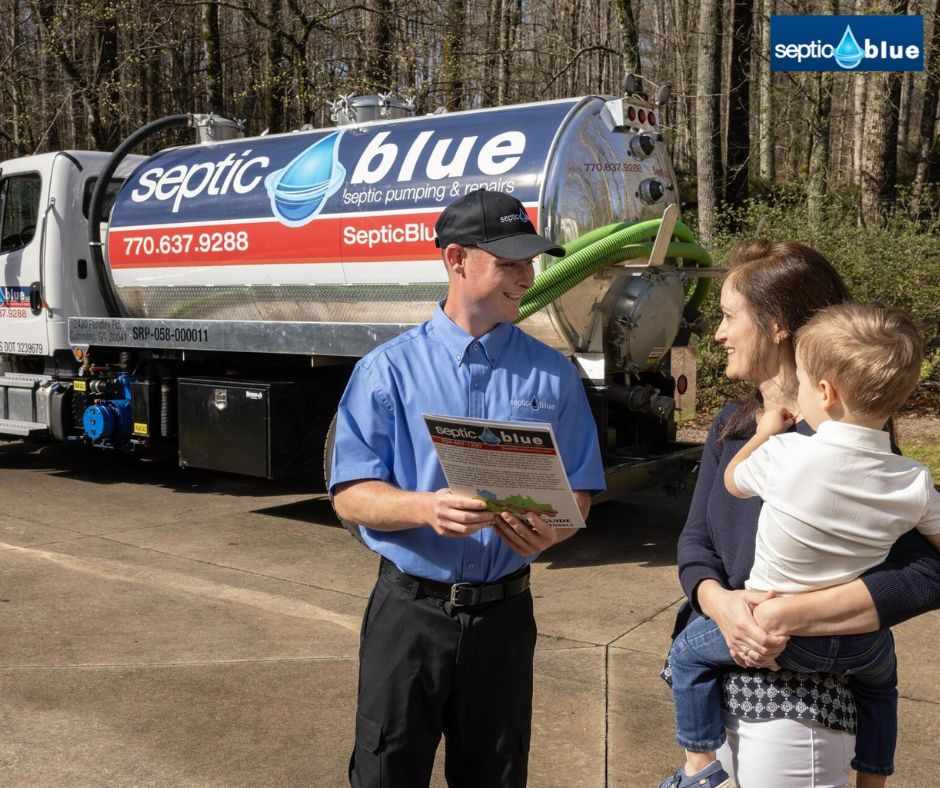
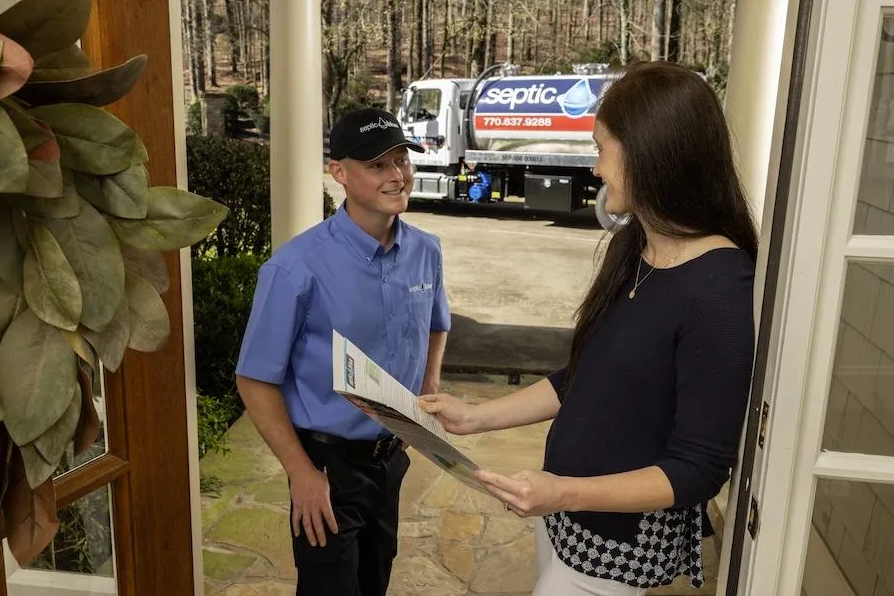
For homeowners looking for professional guidance on these tips, the team at Septic Blue of Burlington can provide expert advice and routine maintenance to prevent odors before they start.
Key Takeaways
Odors are warnings, not just annoying.
Professional septic pumping usually fixes problems quickly.
Sprays and tablets are mostly useless.
Watch what you flush and maintain vents and traps.
Small preventive habits save money, time, and headaches.
Conclusion
Septic odors are annoying, but most of the time, they’re fixable. Usually, it’s a full tank, a blocked vent, or minor plumbing issues. In my opinion, professional septic pumping, combined with simple maintenance habits, solves the problem almost every time. Don’t wait until the smell becomes unbearable—deal with it early, and your home stays clean, safe, and comfortable.
For homeowners, Septic Blue of Burlington provides reliable septic pumping and maintenance services to keep your system odor-free and running smoothly.
FAQs
1. Why does my septic tank smell like rotten eggs?
Hydrogen sulphide gas from bacteria usually causes it. Blocked vents, full tanks, or dry traps make it worse.
2. Can septic odors enter my house?
Yes. Cracks, blocked vents, or dry traps allow gases indoors. Pumping and inspection usually fix it.
3. How often should I pump my septic tank?
Every 3–5 years. Bigger families or tanks may need it sooner.
4. Are there quick home fixes for septic smells?
Water in dry traps helps temporarily. Pumping and vent clearing is the real solution.
5. Can planting near the septic system cause odors?
Yes. Tree roots can invade pipes, and compacted soil can disrupt drainage.
6. How do I know if the smell is from the septic system?
Check drains, sinks, and yard. Slow drains, gurgling, or wet spots are strong clues.
7. Can I prevent septic odors entirely?
You can reduce them, but pumping and proper maintenance are the only reliable ways to stop recurring issues.


Write a comment ...