
Most people don’t think about their septic tank very often. Honestly, it’s one of those things that stays out of sight, so it stays out of mind. As long as the toilets flush and the sinks drain, homeowners assume everything is fine.
But septic systems rarely fail without warning. In my experience, there are usually a few signs before things get really bad. The problem is that many people ignore those signs or think it’s just a minor plumbing issue.
If you live in the area, noticing these early signs can help you schedule reliable septic pumping in Elon NC before the problem becomes expensive. Below are nine warning signs that your septic tank might be getting close to overflowing.
1. Slow Drains Around the House
Why are multiple drains suddenly slow?
A slow drain here and there isn’t unusual. Hair, soap, and food scraps can clog pipes sometimes. That happens in almost every house.
But when several drains start slowing down at the same time, that’s when I usually start thinking about the septic tank.
You might notice things like:
The kitchen sink is draining more slowly than usual
The bathtub is taking forever to empty
Toilets that seem weaker when flushing
Sometimes people try to fix this with chemical drain cleaners. Honestly, those rarely solve the real problem. They might help for a day or two, but if the tank is full, the issue usually comes back.
2. Gurgling Sounds in the Pipes
Why do pipes make strange noises?
If you ever hear bubbling or gurgling sounds in your plumbing, that’s usually not a great sign.
It often happens when air gets trapped in the pipes because wastewater isn’t moving properly through the system.
You might hear it when:
Flushing the toilet
Running the washing machine
Draining a sink or tub
A lot of homeowners ignore this at first. They think the pipes are just old or noisy. But in many cases, it’s actually the septic tank struggling to handle the wastewater.
3. Strong Sewage Odours
Why does the yard smell like sewage?
This one is hard to ignore.
If you notice a strong sewage smell around your house or yard, something probably isn’t working the way it should.
A healthy septic system shouldn’t produce strong odours. There might be a mild smell near the tank lid sometimes, but it shouldn’t spread across the yard.
Common places where smells show up include:
Bathroom drains
Around the septic tank area
Near the drain field
In my opinion, this is one of the warning signs homeowners should take seriously right away. Bad smells usually mean something is already starting to go wrong.
4. Water Pooling in the Yard
Why is there standing water outside?
One thing that surprises homeowners is seeing puddles in the yard when it hasn’t rained.
If that water appears near the septic tank or drain field, it might actually be wastewater rising to the surface.
When the septic tank becomes too full, the soil around the system can’t absorb everything properly. Instead, the water starts collecting above ground.
Look for signs like:
Wet patches of grass
Soggy soil around the septic area
Small puddles are forming in the yard
5. Grass That Looks Too Healthy
Why is the grass greener above the septic tank?
This one seems strange at first.
Sometimes the grass above a septic tank grows faster and looks greener than the rest of the lawn. Some homeowners actually think it’s a good thing.
But that extra green grass is usually getting nutrients from wastewater leaking underground.
Wastewater contains nitrogen and other nutrients that act like fertilizer. So when the tank starts leaking or overflowing, the grass above it often grows thicker.
It may look nice, but it’s not really a good sign.
6. Sewage Backing Up into the House
What causes sewage backups?
This is the problem every homeowner hopes never happens.
When the septic tank becomes full, wastewater has nowhere to go. Instead of flowing into the drain field, it starts moving back toward the house.
That’s when you might see:
Dirty water is coming up through the drains
Toilets overflowing unexpectedly
Wastewater appearing in sinks or bathtubs
7. Changes in Well Water
Can septic problems affect drinking water?
Yes, and this is something many people don’t realize.
If a septic system fails or leaks, contaminants can reach groundwater. That’s especially important for homes that rely on private wells.
Some warning signs might include:
Water that tastes different
Cloudy tap water
Stomach issues are happening more often in the household
Testing well water regularly is a good idea, especially if your septic system hasn’t been serviced in a long time.
8. Frequent Plumbing Clogs
Why do clogs keep coming back?
If you’re constantly dealing with clogged drains, it might not just be bad luck.
Sometimes the septic tank is simply too full, which makes it harder for wastewater to move through the system. That slow movement can lead to repeated clogs.
I’ve seen homeowners try every type of drain cleaner available, but the clogs keep returning.
In many cases, the real solution is simply pumping the septic tank.
9. It’s Been Years Since the Last Pumping
How often should septic tanks be pumped?
This one is simple.
If you can’t remember the last time your septic tank was pumped, it’s probably overdue.
Most professionals recommend pumping every three to five years, depending on household size.
A rough guideline looks like this:
Household Size With Pumping Frequency-
1–2 people - Every 4–5 years
3–4 people - Every 3–4 years
5+ people - Every 2–3 years
How to Prevent Septic Tank Overflow
The good news is that septic problems are usually preventable.
A few simple habits make a big difference.
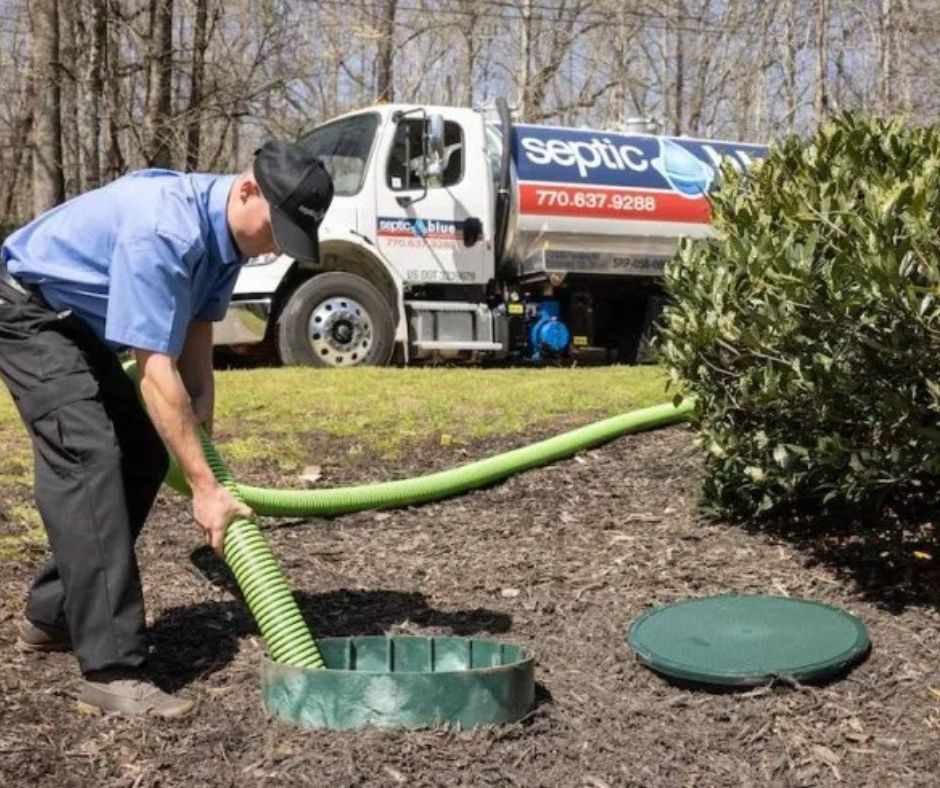
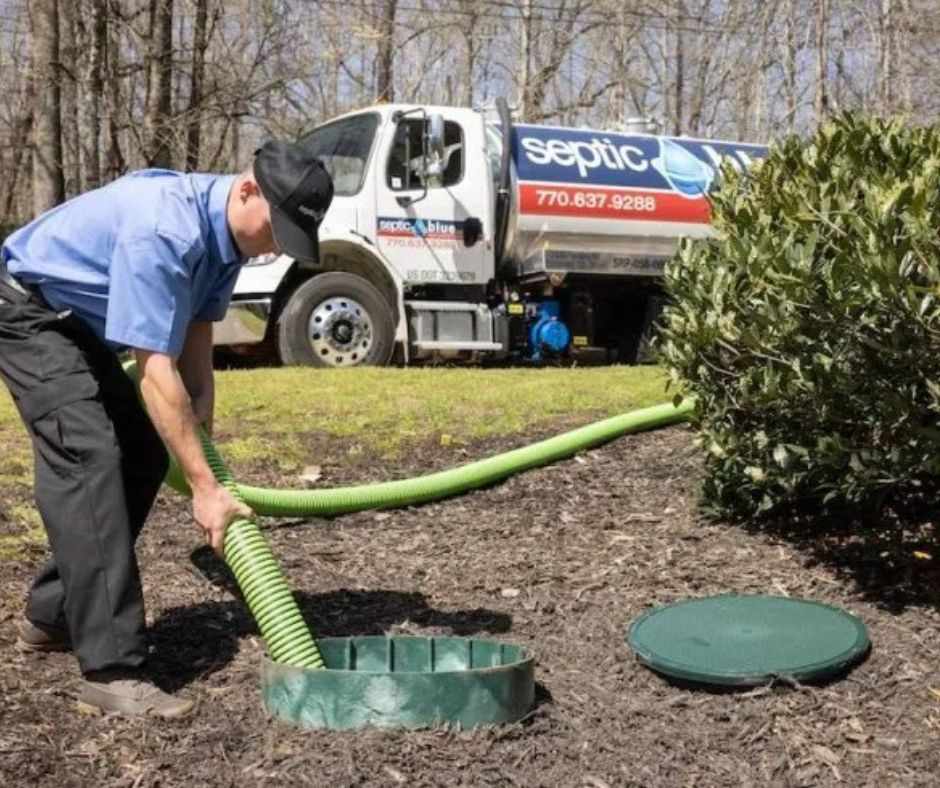
Pump the tank regularly
This removes solid waste before it builds up too much.
Use water wisely
Running several appliances at once can overwhelm the system.
Be careful what you flush
Flushing the wrong items can lead to clogs and backups. Knowing what should never be flushed into a septic system can help prevent these problems.
Protect the drain field
Don’t park vehicles or build structures over the septic area. Heavy weight can damage the pipes underground.
Conclusion
Most septic tank overflows don’t happen suddenly. There are usually warning signs first.
From my perspective, the biggest mistake homeowners make is waiting too long to deal with those signs. A simple septic pumping service is usually much cheaper than repairing a damaged drain field.
Paying attention to small changes around your home can help prevent much bigger problems later.
FAQs
1. What is the first sign of a septic tank problem?
Slow drains are usually one of the first signs that something isn’t working properly in the septic system.
2. How often should a septic tank be pumped?
Most tanks should be pumped every three to five years, depending on how many people live in the home.
3. Can heavy rain cause septic issues?
Yes. Heavy rain can saturate the soil around the drain field and make it harder for wastewater to drain properly.
4. What should never be flushed into a septic system?
Items like wipes, grease, chemicals, and paper towels should never go into a septic system.
5. How long does septic pumping usually take?
In most cases, septic pumping takes about 30 minutes to an hour.
6. Is a sewage smell outside a serious problem?
Usually yes. Strong sewage odours often mean something is wrong with the septic system.
7. Can septic systems contaminate well water?
Yes, especially if the system leaks or fails.
8. What happens if a septic tank overflows?
It can cause sewage backups in the house, damage the drain field, and contaminate the surrounding soil.
Write a comment ...