
Let me be honest: most people don’t think about their septic tank until it becomes a problem. And when it does, it’s ugly. Slow drains, stinky yards, or worse—a full-on backup in the basement. I’ve seen it more times than I can count.
In my experience, most of that could’ve been avoided with professional septic pumping in Auburn NC. A few hours of routine work every few years saves hundreds—even thousands—of dollars. And it saves a lot of headaches, too.
The tricky part is that septic problems don’t always give obvious warnings. You might think everything is fine until suddenly it isn’t. That’s why a little preventive care goes a long way.
Why You Can’t Ignore Your Septic System
Your septic tank is basically a hardworking, invisible machine. Wastewater comes in, solids settle at the bottom (that’s the sludge), and oils or grease float on top (that’s the scum). Over time, those layers get too thick.
If you don’t pump it out, your system struggles. And I’ve seen tanks that were supposed to last 20 years fail in 10 because people kept thinking, “It’s fine for now.” Spoiler: it usually isn’t.
What Usually Works: The Benefits of Regular Pumping
From what I’ve seen, these things actually work if you stay on top of it:
No nasty backups in toilets or sinks
Your yard doesn’t turn into a soggy swamp
Water flows smoothly through the system
Fewer expensive, emergency repair calls
Basically, septic maintenance in Auburn NC that’s done right keeps everything running quietly. And trust me, it’s a huge relief not to wake up one morning to a mess you have to fix immediately.
What Often Fails
Here’s where people screw up, based on my experience:
Waiting until there’s a smell before calling someone
Thinking one pumping will last forever
Flushing everything down the toilet or dumping harsh chemicals
These mistakes almost always lead to trouble. Emergency pumping is nothing like the routine stuff—it’s messy, stressful, and expensive. That’s why I say: avoid expensive septic repairs with regular maintenance. It’s just smarter.
How Often Should You Pump Your Tank?
I get this question all the time. The short answer: it depends. But here’s a good guideline that usually works:
1–2 people in the house → every 4–5 years
3–4 people → every 3–4 years
5+ people → every 2–3 years
If you use a garbage disposal a lot or have high water usage, do it a little sooner. And honestly, when in doubt, call a professional. Don’t guess.
Early Warning Signs
Even if you pump regularly, your system may show signs that it needs attention sooner. Here’s what I’ve noticed:
Slow drains in sinks and tubs
Toilets that gurgle or flush weird
Smells near the yard or tank
Wet patches in the lawn that don’t dry
Ignoring these is basically gambling with your system. Personally, I’d rather spend a couple hundred bucks on a check-up than thousands on a total repair.
Extending Your Septic System’s Lifespan
Here’s my take: a septic system is like your car. Skip maintenance a few times and you might get lucky. Skip too much, and something breaks. Regular pumping keeps your system alive longer.
It helps:
Stop sludge from clogging your drain field
Reduce stress on the system parts
Keep bacteria balanced in the tank
In my opinion, skipping pumping is just asking for trouble. If you stick to a routine, the system can last 20–30 years, sometimes more.
Step-by-Step: What Happens During Pumping
People often imagine it’s messy or takes all day. Usually, it doesn’t. Here’s what happens:
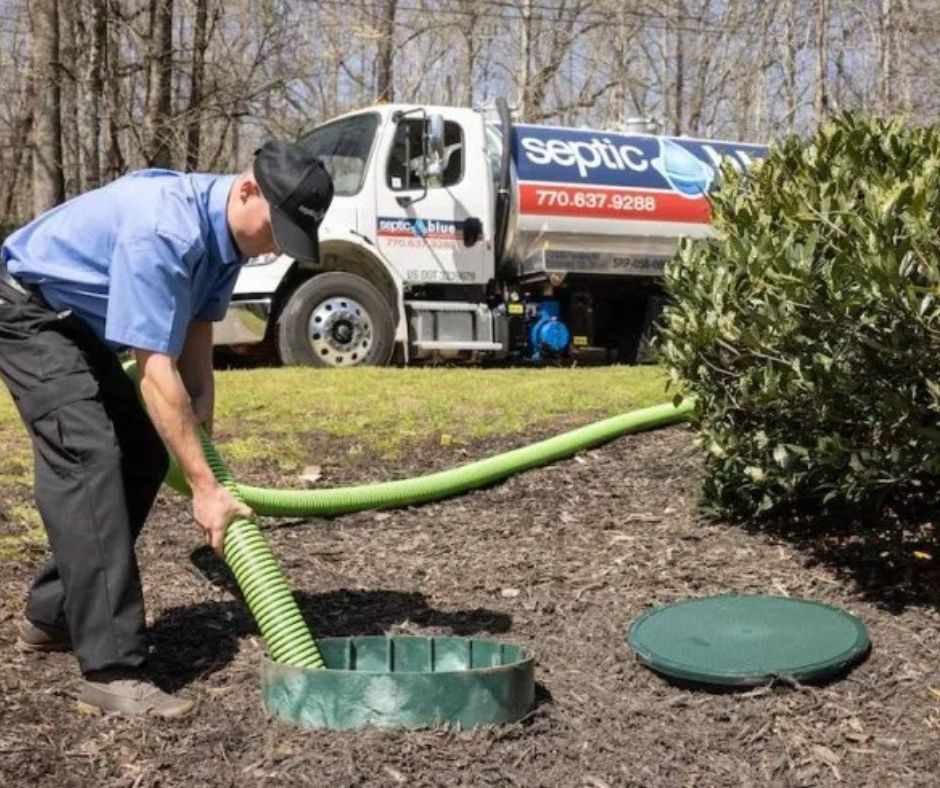
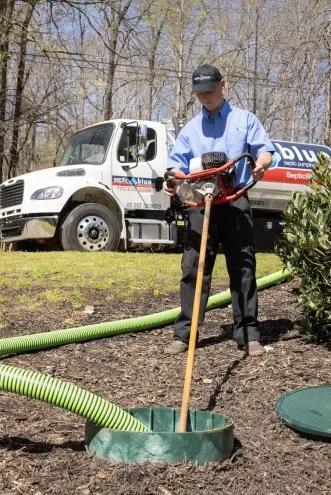
The technician locates and opens the tank
They measure sludge and scum levels
Pump out everything safely
Inspect the system for damage or wear
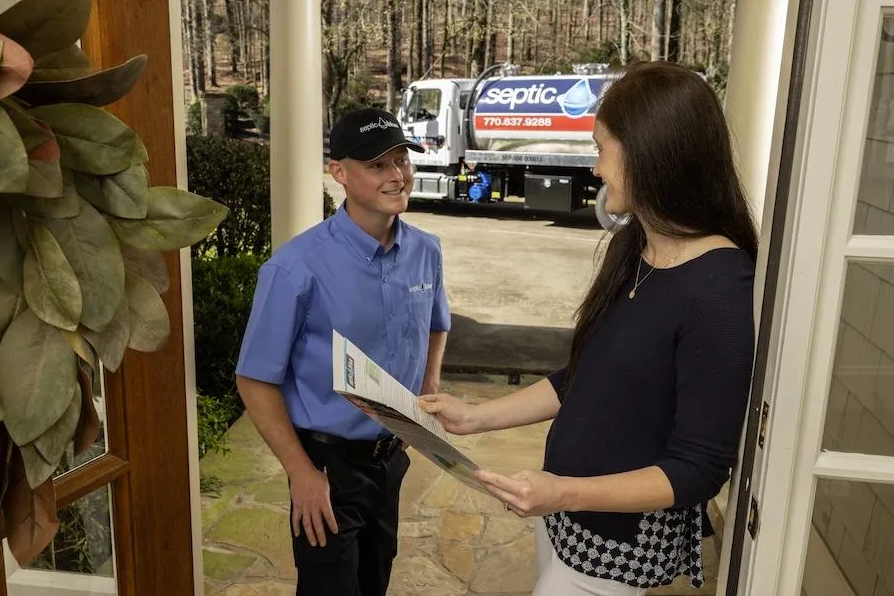
Give advice for future maintenance
Most of the time, it’s done in under an hour. Quick, clean, and a lot less stressful than dealing with a full system failure.
Real-Life Example
I once knew a family who skipped pumping for almost 10 years. Everything looked fine, so they ignored it. Then one weekend, the basement flooded. The drain field had already failed.
Cost? Over $12,000.
Compare that to a few hundred dollars for regular pumping. From my point of view, it’s obvious: routine service beats waiting for disaster. Every. Single. Time.
Choosing the Right Service Provider
Not all septic companies are created equal. Here’s what I look for:
Local experience with soil and water conditions
Honest advice without up selling
Good reviews from neighbours
Consistent, reliable service
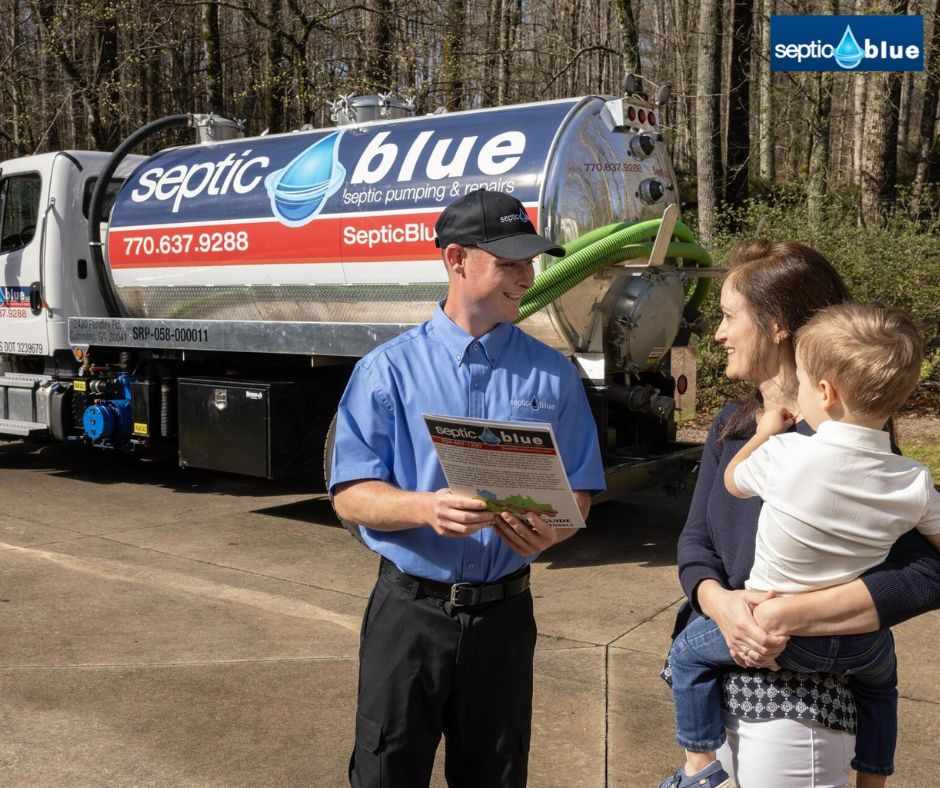
From my experience, working with Septic Blue of Burlington ensures the system is handled right every time. That kind of reliability is worth it.
Key Takeaways
Routine pumping prevents backups, smells, and yard problems
Most homes need it every 3–5 years, depending on usage
Don’t ignore small warning signs
Regular septic maintenance in Auburn NC protects home and property value
Prevention is cheaper than emergency repairs
Pumping consistently helps extend septic system lifespan
Conclusion
Septic Blue of Burlington knows how important it is to stay ahead of septic problems. Don’t wait for your system to fail—a few hours of pumping every few years is simple, fast, and can save a ton of money.
It’s like insurance for your home. You protect your plumbing, your yard, and your property. And from everything I’ve seen, people who stick to a schedule rarely face the kind of panic, stress, and huge bills that come with emergency failures.
Honestly, it’s one of those small tasks that pays off big in the long run. Taking care of your system now keeps your home safe, your property value intact, and your mind at ease.
FAQs
1. How do I know when my septic tank needs pumping?
Slow drains, gurgling toilets, or wet spots outside are obvious signs. Even without clear symptoms, most systems need pumping every 3–5 years. Regular inspections are the safest bet.
2. What happens if I wait too long?
Sludge builds up, the drain field clogs, and backups happen. Repairs at that point are expensive. Routine maintenance is much cheaper.
3. Is septic pumping messy?
Not really. Professionals handle it with equipment. Most jobs are done in under an hour with minimal disruption.
4. Can regular pumping affect property value?
Yes. A well-maintained system shows buyers that the home is cared for. Inspectors notice it too. It can prevent delays or renegotiation in a sale.
5. How much does pumping usually cost?
It depends on tank size and location. Usually, it’s a small investment and far cheaper than emergency repairs.
6. Can I help my system between pumping?
Yes. Limit water overuse, avoid harsh chemicals, and don’t flush non-degradable items. These habits help keep your system healthy.
7. How long can a system last with proper care?
With regular maintenance, many systems last 20–30 years. Pumping is a big part of keeping everything running smoothly.
Write a comment ...