
Most homeowners don’t think much about their septic system until something starts going wrong. A slow drain, a bad smell outside, or standing water in the yard usually gets their attention fast.
From what I’ve seen, regular septic tank cleaning prevents a lot of these situations before they get ugly. Homeowners looking for professional septic system care in Jamestown often find out that consistent maintenance matters way more than expensive emergency repairs later.
The truth is, most septic systems fail early because of neglect, bad habits, or ignoring warning signs for too long. Here are the biggest reasons that happen.
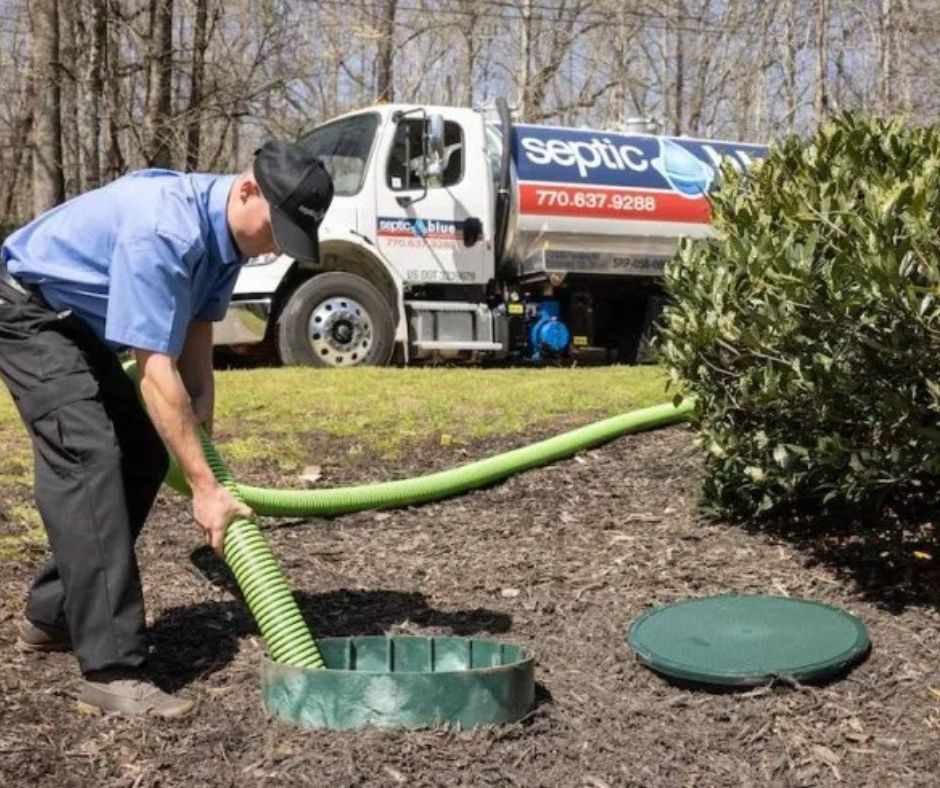
1. Skipping Septic Tank Pumping for Too Long
A lot of homeowners wait until something smells bad before scheduling septic tank pumping services. The problem is, by that point, sludge has usually been sitting in the tank way too long.
What usually works is simple:
Pump the tank regularly
Don’t wait for warning signs
Follow a maintenance schedule
What usually fails?
Ignoring the system for 10 years and hoping for the best.
2. Using Too Much Water Every Day
People don’t realize how easy it is to overload a septic system. Doing laundry nonstop, running the dishwasher constantly, and taking long showers back-to-back can flood the tank faster than it can process waste.
When that happens:
Solids move into the drain field
Waste doesn’t separate correctly
The whole system struggles
One thing that actually helps is spacing water usage throughout the day instead of doing everything at once.
3. Flushing Stuff That Should Never Be Flushed
This is a huge problem now, especially with “flushable” wipes. Honestly, I don’t trust those labels at all. A lot of septic professionals don’t either.
Things that commonly cause trouble:
Wipes
Grease
Paper towels
Feminine products
Cat litter
Harsh chemicals
Just because something goes down the toilet doesn’t mean your septic system can break it down properly.
4. Ignoring Regular Septic System Maintenance
Some homeowners only think about maintenance after something breaks. That approach usually costs more money in the long run.
Routine septic system maintenance helps catch:
Small leaks
Cracked pipes
Drain field problems
Tank damage
The homeowners who stay on top of inspections usually avoid the biggest disasters. The ones who ignore the system completely? Those are often the emergency service calls.
5. Tree Roots Growing Into Pipes
Tree roots are way more aggressive than people expect. Roots naturally search for moisture underground, and septic pipes are basically an open invitation. Older homes deal with this problem a lot.
What usually works:
Keeping trees away from septic lines
Watching for slow drains
Scheduling inspections if roots are nearby
What fails is planting large trees right beside the drain field because it “looks nice.” That decision gets expensive later.
6. Driving Over the Drain Field
You’d be surprised how many people park trailers, trucks, or heavy equipment over their drain field. That area isn’t built to handle heavy weight.
Over time, the pressure compacts the soil and damages underground pipes. Once the drain field gets crushed, repairs become complicated fast. Honestly, if there’s one area homeowners should leave alone completely, it’s the drain field.
7. Pouring Too Many Chemicals Down the Drain
A healthy septic tank depends on bacteria. That bacteria breaks down waste naturally. But strong cleaners, bleach, and chemical drain products can kill that balance. I’m not saying homeowners should never use cleaning products. That’s unrealistic. But overusing harsh chemicals is where problems start.
What usually works:
Moderate cleaner use
Septic-safe products
Avoiding chemical overload
Too many chemicals often lead to failing septic system issues that homeowners don’t notice until the system starts slowing down.
8. Ignoring Early Warning Signs
This is probably one of the costliest mistakes. Most septic systems don’t fail overnight. They warn homeowners first.
Common warning signs:
Gurgling pipes
Slow drains
Wet spots in the yard
Bad smells
Frequent backups
The homeowners who deal with these signs early usually save money. The ones who wait because “it still works” usually end up with bigger repair bills.
9. Drain Field Damage
When the drain field gets damaged or oversaturated, wastewater can’t filter properly into the soil anymore. That’s when homeowners start noticing problems around the yard and inside the house.
Some common signs are:
Standing water outside
Bad sewage smells
Bright green patches of grass
Drains slowing down throughout the house
Heavy rain, poor maintenance, or even compacted soil can all create drain field problems over time. And honestly, drain field repairs are not cheap. That’s why small maintenance steps and early inspections usually save homeowners a lot of stress later on.
10. Trying DIY Septic Fixes
Honestly, this is where people sometimes make things worse. There are tons of products online promising to “restore” septic systems overnight. Most of them don’t really solve the actual issue.
A septic system is more complicated than people think. Pipes, bacteria, sludge levels, drain field conditions everything works together.
Sometimes DIY fixes help temporarily. But serious problems usually need professional attention. Companies like Septic Blue of Burlington often see systems that could have lasted years longer if homeowners had addressed problems earlier instead of trying random quick fixes.
What Actually Helps Septic Systems Last Longer
In my opinion, consistency matters more than anything. The homeowners who get the longest life out of their septic systems usually stick to basic maintenance and don’t ignore problems.
Habits that usually work:
Regular septic tank cleaning
Routine inspections
Responsible water use
Protecting the drain field
Paying attention to warning signs
There’s no secret formula here. Just good habits over time.
Conclusion
Most septic problems start small. That’s the part homeowners often underestimate. A slow drain today can turn into a major backup later. A missed septic tank cleaning might not seem important now, but over time it creates bigger problems underground.
Personally, I think preventative maintenance is always worth the money. Emergency septic repairs are stressful, expensive, and usually avoidable. Companies like Septic Blue of Burlington often remind homeowners that routine maintenance costs far less than dealing with a complete septic system failure.
FAQs
1. How often should a septic tank be cleaned?
Most septic tanks should be cleaned every 3–5 years depending on household size and water usage. Regular cleaning helps prevent sludge buildup and costly septic problems later.
2. What are the first signs of septic system failure?
Slow drains, sewage smells, wet spots in the yard, and gurgling pipes are common warning signs. Most septic systems show small problems first before major failure happens.
3. Can too much water damage a septic system?
Yes, excessive water can overload the tank and push waste into the drain field too quickly. Over time, this can lead to backups, poor drainage, and expensive repairs.
4. Are flushable wipes really bad for septic systems?
Honestly, yes. Most wipes break down much slower than toilet paper inside septic tanks. They commonly cause clogs, sludge buildup, and pipe blockages over time.
5. How long does a septic system usually last?
A well-maintained septic system can last anywhere from 20–40 years in many homes. Regular pumping and proper maintenance usually help extend system lifespan significantly.
6. Can heavy rain affect septic systems?
Yes, heavy rain can oversaturate the drain field and slow proper wastewater drainage. This sometimes causes standing water, odors, or temporary septic backups outside.
Write a comment ...